Engaging in arts and crafts is vital for children's development. Many experts recommend regular participation. Studies from the National Endowment for the Arts highlight that creative activities boost children’s cognitive skills and emotional well-being. They argue that engaging in arts fosters critical thinking and problem-solving abilities.
But how often should children do arts and crafts activities? While some suggest daily involvement, others may argue that consistent weekly sessions can suffice. A survey by the American Art Therapy Association noted that children who engage in creative activities at least twice a week exhibit improved self-esteem.
This underscores the importance of frequency in arts participation. Yet, it's essential to find a balance. Over-scheduling might lead to burnout or decreased interest. The focus should be on enjoyment and exploration, not just productivity. Striking this balance can lead to significant developmental benefits without overwhelming young creators.
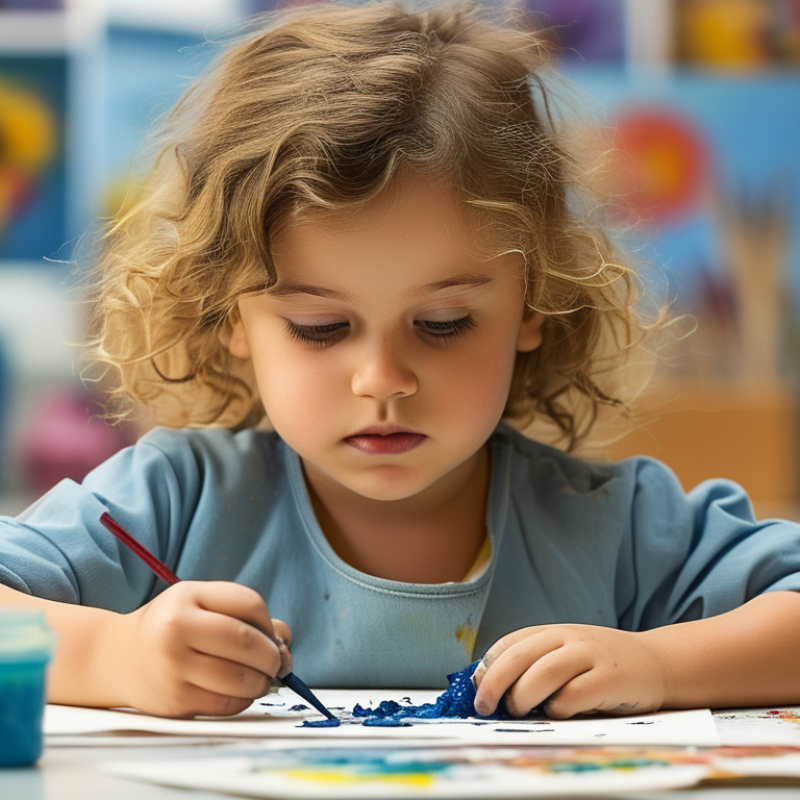
Engaging children in arts and crafts activities is vital for their development. This engagement should occur regularly, ideally a few times a week. Consistent practice aids in sharpening their fine motor skills. Children learn to manipulate tools, which enhances their hand-eye coordination.
Creativity flourishes in a dynamic environment. Parents and caregivers should encourage exploration. Let children choose their projects. This autonomy boosts their confidence and decision-making skills. Sometimes, they'll feel frustrated. That's okay. It’s a chance for them to learn resilience.
Tips: Create a designated arts space in your home. Stock it with safe supplies like paper, crayons, and glue. Allow kids to experiment freely. Set aside specific times for crafting. This routine helps them look forward to these moments. Remember, the journey matters more than the final product. Embrace the mess; it’s part of the experience.
Engaging in arts and crafts is vital for early childhood learning. These activities foster creativity and self-expression. When children manipulate various materials, they enhance fine motor skills. For instance, cutting, gluing, and coloring require precise hand movements that develop coordination. These skills are foundational for writing.
Arts and crafts also provide an opportunity for problem-solving. Children encounter challenges, like how to make a paper structure stand. They must think critically to find solutions. This process encourages resilience and perseverance. Sometimes, their creations may not turn out as expected. This teaches them to reflect on their efforts and improve.
Furthermore, these activities allow for emotional exploration. Children express feelings through color choices and designs. A simple painting can reflect joy or sadness. This emotional feedback is crucial for their development. It’s essential to create a safe space where they can experiment without fear. Encouraging risk-taking in creativity helps them learn that not every effort needs to be perfect.
Engaging children in arts and crafts is crucial for their development. According to the American Academy of Pediatrics, creative activities support cognitive skills and emotional well-being. Here’s a look at age-specific guidelines you can follow.
For toddlers aged 1-3, activities should focus on exploration. Simple tasks such as finger painting or playing with clay offer sensory experiences. Studies show that these activities improve fine motor skills while allowing emotional expression. At this age, the process is more important than the outcome. Expect messiness; it’s part of learning.
Preschoolers aged 4-5 benefit from more structured projects. Activities like cutting shapes or gluing items can enhance hand-eye coordination. A report from the National Association for the Education of Young Children states that such tasks encourage problem-solving. Children start to develop an understanding of forms and colors. It's important for caregivers to provide guidance but allow independence, promoting confidence.
For children aged 6 and older, arts and crafts can become more complex. Projects like building models or sewing introduce planning and patience. The National Endowment for the Arts highlights that older children can connect art with other subjects, fostering interdisciplinary learning. While outcomes may improve, it’s essential to remind them that creativity has no strict rules. Creativity thrives on exploration and innovation, not perfection.
| Age Group | Recommended Frequency | Suggested Activities |
|---|---|---|
| Toddlers (1-3 years) | 2-3 times a week | Finger painting, collages with felt |
| Preschoolers (4-5 years) | 3-4 times a week | Drawing with crayons, clay modeling |
| Early Elementary (6-8 years) | 4-5 times a week | Painting, simple crafts with scissors |
| Late Elementary (9-12 years) | 5-6 times a week | Complex crafts, DIY projects |
| Teens (13-18 years) | 2-3 times a week | Advanced painting, digital art, graphic design |
Engaging children in arts and crafts offers numerous developmental benefits. These activities boost creativity, allowing children to express themselves freely. Creating something tangible can enhance a child’s confidence. When kids see their finished projects, they feel a sense of achievement that words alone cannot convey.
Regular engagement in creative activities fosters problem-solving skills. As children face challenges, such as mixing colors or constructing structures, they learn to think critically. This hands-on approach encourages exploration, experimentation, and sometimes failure. Each misstep can lead to important lessons about resilience and innovation.
Moreover, arts and crafts can be a social experience. Participating in group projects helps children develop teamwork skills. They learn to share ideas and resources, which builds strong communication abilities. These interactions also expose them to diverse perspectives, broadening their understanding of the world. While it’s important to encourage creativity, some parents may find it challenging to balance artistic exploration with structured learning. This dynamic can lead to introspection about the best approach for nurturing their child's artistic journey.
Engaging children in arts and crafts activities is essential for their development. A balance between structured and unstructured craft time can provide maximum benefits. Structured activities offer a clear direction. Kids learn specific skills and techniques. According to the National Association for the Education of Young Children, structured art experiences can enhance fine motor skills by 30%. This method encourages focus and discipline.
On the other hand, unstructured craft time fuels creativity. It allows kids to explore personal expression freely. Research by the University of California Santa Barbara indicates that children thrive in environments where they can create without constraints. About 70% of children's engagement can stem from their innate desire to experiment. Unstructured time can lead to unexpected discoveries, allowing kids to think outside the box.
Finding the right balance is crucial. Too much structure can stifle creativity. Conversely, too little guidance may leave children feeling lost or frustrated. Parents should observe their child’s responses. This ensures that craft time remains enjoyable and educational. Encouraging a mix of both types of craft activities allows children to flourish in different areas.
: Arts and crafts foster creativity and self-expression, enhancing fine motor skills vital for writing.
Children face challenges, like constructing structures, encouraging critical thinking and resilience.
Yes, children express feelings through their work, which is essential for their emotional growth.
It’s an opportunity for reflection. Children learn to improve and that not all efforts must be perfect.
Completing a project boosts confidence. It gives children a deep sense of achievement beyond verbal praise.
Yes, group projects help develop teamwork and communication skills, exposing kids to different perspectives.
This balance can be tricky. It requires thoughtfulness about nurturing an artistic journey.
A safe space encourages risk-taking. Children learn to experiment without fear of failure.
Failure teaches resilience and innovation, turning setbacks into valuable learning experiences.
This is a challenging consideration. Both have their value and merits, sometimes reflecting personal beliefs.
The article "How Often Should Children Engage in Arts and Crafts Activities?" discusses the optimal frequency of creative activities for child development, emphasizing the importance of arts and crafts in early childhood learning. It suggests that regular engagement in these activities not only enhances fine motor skills but also fosters creativity and self-expression. Age-specific guidelines indicate that younger children may benefit from more frequent sessions, while older children can explore both structured and unstructured craft times to balance creativity with direction.
Moreover, the article highlights the benefits of consistent participation in arts and crafts, such as improved problem-solving skills and emotional well-being. Ultimately, it aims to provide parents and educators with insights into how often children should do arts and crafts activities to maximize their developmental potential. By balancing various types of craft experiences, children can enjoy the full spectrum of learning and personal growth that these activities offer.
JKit Toys