Cleaning up after children's craft activities can be a daunting task. According to expert Lisa T. Harlow, a parenting coach and author, "The joy of crafting comes with a mess; embrace it, but know how to clean it up." Parents often find themselves overwhelmed by glitter, glue, and scattered paper. Knowing how to clean up after children's craft activities can save time and reduce stress.
Creating a designated craft area can simplify cleanup. Use a plastic tablecloth to catch spills and mess. Encourage kids to help with the cleanup process by making it a fun game. Remember to have trash bags and wipes nearby. These simple tools aid in quick restoration.
Mistakes will happen, and that's okay. Sometimes, a craft project goes awry, leaving behind a mess you didn’t anticipate. This offers a chance to teach kids about responsibility. In the end, the goal is to enjoy the crafting experience together while efficiently managing the aftermath.
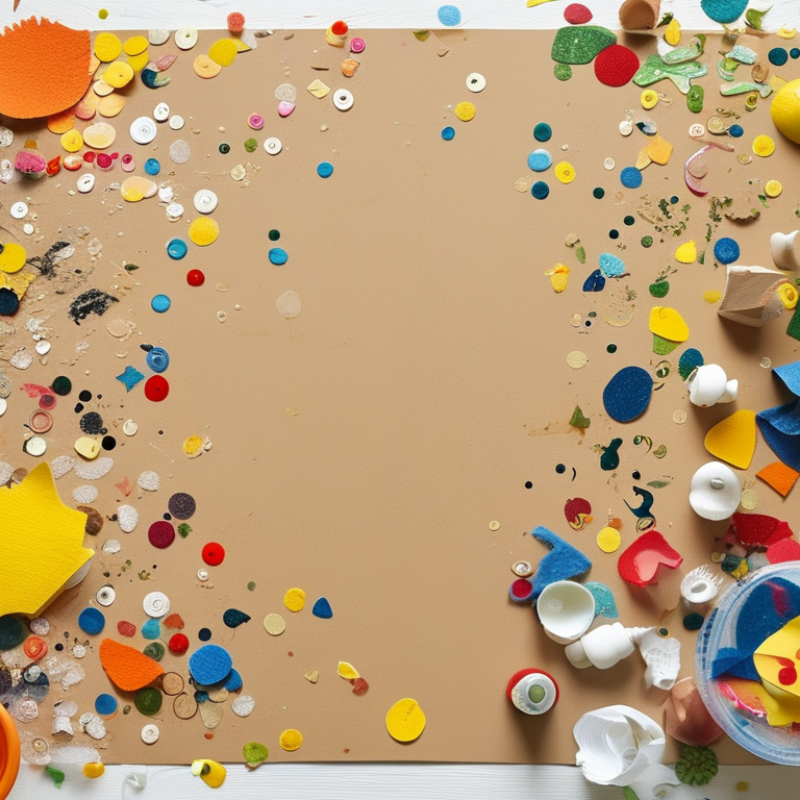
Preparing a craft area effectively can greatly reduce cleanup time after children's activities. According to a report by the American Academy of Pediatrics, children engage in messy play enhances their creative skills. Therefore, creating a designated space for craft activities is essential. Use old newspaper or disposable tablecloths to protect surfaces. This simple step can save you from scrubbing stubborn stains later.
Investing in storage solutions is another key aspect. Clear bins or labeled containers can help organize materials. A study by the National Association for the Education of Young Children shows that organized play areas enhance children's focus and creativity. When children know where their supplies are, they can focus on their projects instead of scattering materials everywhere. However, it’s important to remember that perfection isn’t the goal.
Embrace messiness as part of the process. Allowing children to experiment freely can lead to enjoyable chaos. Some spills and unintended art may happen, and that’s okay. A few snapshots of these moments can be precious memories. In the end, the joy of crafting can outweigh the cleanup effort if the space is well-prepared.
Craft activities can bring joy, but they often create messes that can be overwhelming. Common spills include paint, glitter, and glue. These materials stick to surfaces and fabrics, making cleanup a challenge. Focusing on these usual suspects can help you prepare better.
Start with a designated craft area. Use old newspapers or a plastic tablecloth to shield surfaces. This can save you time and effort later. For paint and glue, keep wet wipes handy. These can quickly address spills before they dry. If glitter spreads everywhere, consider using a vacuum cleaner with a hose attachment for easy collection.
Even with preparation, messes may still happen. Children can be unpredictable, and accidents are part of the process. Sometimes, you'll find paint smudges on walls or glue on hands and clothes. Learning to embrace these imperfections is essential. It reminds us that creativity is often messy, and that’s okay. Being flexible during these moments can make the experience more enjoyable for both you and your children.
Cleaning up after children's craft activities can be a challenge. The right tools and supplies can make this task manageable. Start with basic supplies like paper towels, wet wipes, and trash bags. Having these on hand allows for quick cleanups, especially when dealing with messy materials like paint or glue.
Consider using a vacuum with a detachable nozzle. This is perfect for sweeping up tiny scraps of paper or glitter. A broom and dustpan are also handy for larger pieces. Don't overlook the importance of having a designated craft area. Keeping the mess contained can save time when it’s cleanup time.
Tips to consider: encourage kids to use washable supplies. These are easier to clean than permanent alternatives. Involve children in the cleaning process to teach responsibility. Finally, remember that mess is part of creativity. Embrace the chaos occasionally; perfection isn’t necessary. Learning from little spills and stains can be a valuable part of craft time.
Teaching children to clean up after craft activities can be a challenge. It's important to make this process engaging and fun. One effective method is to involve them in the cleanup. Turn it into a game. For example, set a timer and see how quickly they can put supplies away. This adds an element of excitement to what can often feel like a chore.
Modeling behaviors is crucial. Children learn by watching adults. After a craft session, narrate your actions. Say things like, "I'm putting the paintbrushes back in their container." Encourage them to imitate you. Celebrating their efforts, even small ones, reinforces the habit. Use phrases like, “Great job cleaning up the glitter!” This encourages a sense of responsibility.
Keep in mind that perfection isn’t the goal. Messes will happen, and that’s okay. If the project ends with a bit of chaos, reflect on the process. Ask what could be done differently next time. This teaches problem-solving and helps them understand that cleanup is part of any creative activity. Balancing guidance with independence is key in fostering these lifelong habits.
Cleaning up after children’s craft activities can feel overwhelming. However, eco-friendly solutions offer a way to simplify this process. Using materials that are safe for the planet is a great start. Encourage kids to use non-toxic paints and recycled papers. This choice minimizes environmental impact and cuts down on harmful chemicals.
After the fun, a few simple steps can make cleanup easier. For example, having a designated “craft station” helps contain messes. Use old newspaper or cloth as a protective layer. Once the activity is over, gather these items and dispose of them responsibly. A spray bottle with water and vinegar can tackle stubborn stains on surfaces. It’s effective and free from harsh chemicals.
You might find that not every clean-up goes smoothly. Glue can stick longer than anticipated, and paint sometimes splatters. It’s all part of the learning process. Reflecting on these moments helps improve future craft sessions. Sharing experiences, even messy ones, can lead to creative problem-solving. Embracing imperfections often leads to unexpected joy in crafting together.
: Create a designated craft area. Use old newspapers or disposable tablecloths to protect surfaces.
Clear bins or labeled containers help organize materials. This enhances children's focus and creativity.
Keep wet wipes handy for spills. They can quickly address paint or glue messes before they dry.
Use a vacuum cleaner with a hose attachment to collect glitter easily.
Yes, messiness is part of the creative process. Embracing it can make the experience enjoyable.
Accept that accidents happen. Paint on walls or glue on hands is normal. Be flexible and enjoy the moment.
Imperfections remind us that creativity is often messy. It's important to embrace and reflect on these moments.
It greatly reduces cleanup efforts and allows children to focus on their projects.
Cleaning up after children's craft activities can be a daunting task, but with the right strategies, it can be more manageable. Start by preparing your craft area to minimize mess, using easy-to-clean surfaces and organizing supplies in a way that reduces spills. Understanding the common types of messes—such as paint spills, glitter, and paper shreds—will help you anticipate what needs cleaning.
Equipping yourself with the best tools and supplies, like wet wipes, vacuum cleaners, and trash bags, can make the process more efficient. Teaching children the importance of tidying up after themselves not only instills responsibility but also lightens the cleanup load. Additionally, consider eco-friendly solutions for cleaning, which are safe for both kids and the environment. By knowing how to clean up after children's craft activities, you can foster creativity while maintaining a tidy space.

JKit Toys