Can DIY Craft Toys Boost Fine Motor Skills for Kids?

Time:2026-08-03 Author:Charlotte
0%

Engaging children in creative activities is essential. One popular option is DIY craft toys. Many parents wonder, can DIY craft toys improve fine motor skills? These activities encourage kids to manipulate small objects. Tasks such as cutting, gluing, and threading help enhance dexterity.

Research shows that fine motor skills are crucial for everyday tasks. Children use these skills when buttoning shirts or holding pencils. Crafting not only builds these skills but also fosters creativity and problem-solving. However, not all craft activities are created equal. Some may not truly engage kids. It’s important to select projects that challenge them appropriately.

While DIY craft toys have potential benefits, they also require supervision. Some children may struggle with specific tasks, leading to frustration. Parents should provide guidance and encouragement. Overall, thoughtfully chosen DIY crafts can indeed help develop fine motor skills in children.
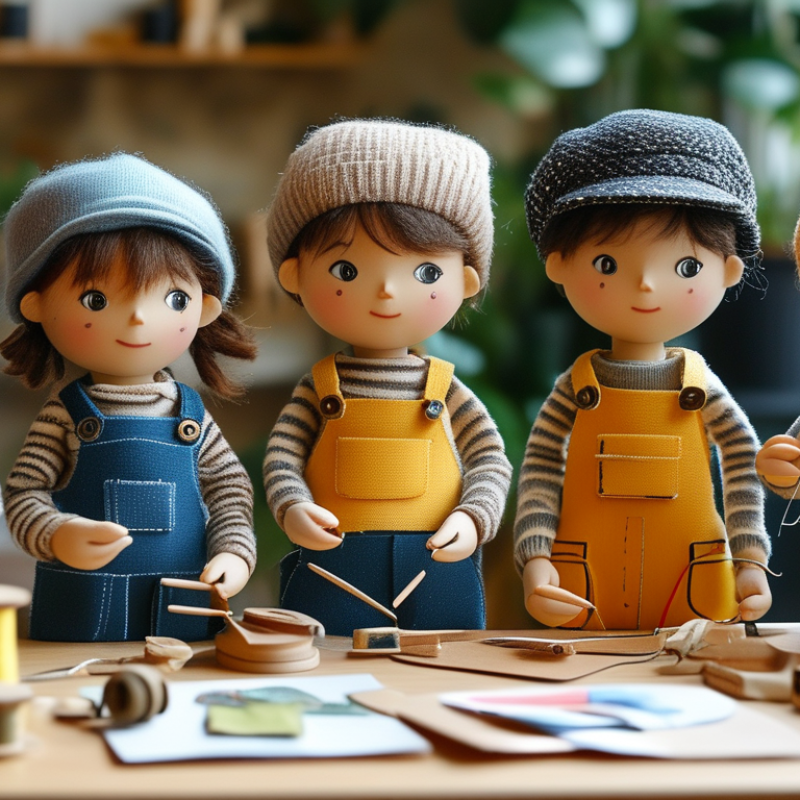
Can DIY Craft Toys Boost Fine Motor Skills for Kids?

Understanding Fine Motor Skills in Early Childhood Development

Fine motor skills are essential for children's development. These skills include the ability to grasp, manipulate, and coordinate hand movements. According to the American Academy of Pediatrics, fine motor skills aid in activities like writing, buttoning clothes, and feeding oneself. These everyday tasks are crucial for a child's independence and self-esteem.

Engaging in DIY craft toys can significantly enhance fine motor skills. For example, activities like cutting paper, gluing pieces together, or threading beads require precise hand-eye coordination. A study from the Center for Early Childhood Development found that children participating in craft-based activities improved their dexterity by 25% over three months. This improvement is a testament to the impact of hands-on experience during critical developmental years.

However, not all DIY projects promote fine motor skills equally. Sometimes, complex tasks may overwhelm children. This can lead to frustration and withdrawal. Ideally, projects should match a child's skill level, allowing for gradual progression. Observing a child's responses is vital. This awareness ensures that DIY crafts remain enjoyable and educational, fostering both skill development and creativity.

The Role of DIY Craft Toys in Enhancing Fine Motor Skills

DIY craft toys offer a unique opportunity for children to develop fine motor skills. Engaging in hands-on activities allows kids to manipulate various materials. Activities like cutting, gluing, and assembling enhance hand-eye coordination. These skills are essential for tasks like writing and using utensils later on.

Research shows that children thrive when they create. Crafting stimulates creativity while requiring concentration. Using scissors demands precision, which can be challenging. Kids may struggle initially, leading to frustration. However, each attempt builds resilience and improves dexterity. This process of trial and error is vital for growth.

Parents play a crucial role in facilitating these experiences. Encouraging children to express themselves through crafts can foster independence. While the results may not always be perfect, the journey cultivates confidence. Mistakes are often the best teachers. Emphasizing the joy of creation is far more valuable than achieving flawless projects.

Can DIY Craft Toys Boost Fine Motor Skills for Kids? - The Role of DIY Craft Toys in Enhancing Fine Motor Skills

DIY Craft Toy Age Group Fine Motor Skills Targeted Estimated Benefits
Bead Stringing Kits 3-6 Years Grasping, Hand-Eye Coordination Improved dexterity and coordination
Paper Mache Projects 5-10 Years Squeezing, Shaping Enhanced grip strength and creativity
Lego Building Sets 4-8 Years Pinching, Manipulating Blocks Boosts spatial awareness and problem-solving
Sewing Kits 6-12 Years Threading, Needle Control Develops concentration and precision
DIY Clay Kits 3-8 Years Molding, Sculpting Encourages sensory play and creativity

Types of DIY Craft Toys Beneficial for Fine Motor Skill Development

DIY craft toys play a significant role in enhancing fine motor skills in children. These toys often require children to manipulate small objects and use their hands in creative ways. For instance, simple activities like threading beads onto string improve grip strength and hand-eye coordination. Children learn to control their finger movements through these fun tasks.

Another excellent option is creating paper crafts. Cutting, folding, and gluing paper not only fosters creativity but also develops dexterity. As children navigate scissors or apply glue, they refine their hand movements. The process can be challenging, especially when they strive for precision, but this struggle leads to improvement. There’s satisfaction in seeing a completed craft, even if it’s imperfect.

Building models from materials like clay or foam allows for further fine motor skill advancement. Forming shapes demands both creativity and motor control. Children may face frustration when shapes don’t match their vision, but this process is valuable for learning perseverance. Each attempt teaches them about refinement and patience, making these DIY crafts truly enriching.

Practical DIY Craft Activities to Improve Fine Motor Skills

Engaging in DIY craft activities can significantly enhance fine motor skills in children. Activities like making playdough figures or stringing beads require precise hand movements. Kids learn to manipulate small items, which improves their grip and coordination. Simple tasks, like cutting paper or gluing pieces together, can also be fun and educational.

Consider a project where children create their own puppets. They can cut out shapes from felt, glue on eyes, and use markers for details. This allows for creativity while developing dexterity. However, some might find it challenging to cut neatly. They may need guidance and practice to improve their skills.

Another effective activity involves making simple origami. Folding paper can be tricky, but it’s rewarding. Children gain confidence when they see their final creations. They might struggle with complex folds at first, leading to frustration. This offers a chance for parents to step in and encourage patience. Such projects do not just develop motor skills; they foster resilience and problem-solving too.

Evaluating the Impact of DIY Crafts on Children's Skill Progression

DIY crafts can play a significant role in developing fine motor skills in children. Engaging in hands-on activities allows kids to use their hands in varied ways. This can include cutting, gluing, and assembling different materials. Each of these actions requires precision and control, which are crucial for fine motor skill progression. Simple tasks, like threading beads or folding paper, help enhance dexterity and hand-eye coordination.

However, it's important to note that not all DIY activities yield the same benefits. Some crafts may be too challenging, leading to frustration rather than skill development. Parents should assess the complexity of projects. Providing appropriate guidance and support can help children overcome hurdles. Observing a child's struggle can also offer insight into their specific developmental needs. A balance between challenge and skill is key.

While the benefits of DIY crafts are clear, the experience may vary. Some kids may excel while others find it difficult. This discrepancy can impact their confidence. It's essential to celebrate small achievements and allow for mistakes. Encouragement during the crafting process can foster resilience, helping kids learn to navigate challenges in playful environments. In this way, DIY crafts can support not just skill development, but also emotional growth.

FAQS

: What are fine motor skills?

: Fine motor skills involve grasping, manipulating, and coordinating hand movements. They are crucial for various tasks.

Why are fine motor skills important for children?

These skills help in daily activities like writing, buttoning clothes, and feeding themselves. They boost independence.

How can DIY craft toys help develop fine motor skills?

Craft activities like cutting or threading improve hand-eye coordination and dexterity through hands-on experience.

Can complex DIY projects hinder skill development?

Yes, overly complex tasks can overwhelm children, leading to frustration and withdrawal. Projects should match their skill level.

What types of DIY activities are suitable for skill enhancement?

Simple tasks like threading beads or paper crafts improve grip strength and hand movements, supporting fine motor skills.

How does creating paper crafts aid in skill development?

Cutting and gluing paper fosters creativity and refines hand movements, even if the final product isn’t perfect.

Why is perseverance important in fine motor skill activities?

Children may encounter challenges but learning to persist helps build patience and understanding, which is valuable.

Are all DIY crafts equally effective for fine motor skills?

Not really, as some crafts may not promote skills effectively. It's important to choose age-appropriate activities.

How should parents observe their children during crafts?

Parents should watch how children respond to tasks, ensuring they remain enjoyable and educational, fostering creativity.

What should be done if a child gets frustrated with a DIY project?

If frustration occurs, consider simplifying the task. It's essential to keep the experience positive and encouraging.

Conclusion

The article titled "Can DIY Craft Toys Boost Fine Motor Skills for Kids?" explores the significance of fine motor skills in early childhood development and the potential of DIY craft toys to enhance these skills. It delves into the various types of DIY craft toys that are particularly beneficial for fine motor skill development, emphasizing activities that require precision and coordination. By engaging in practical DIY craft activities, children can practice and refine their dexterity, hand-eye coordination, and the ability to manipulate small objects.

Ultimately, the article evaluates the impact of these crafts on children's skill progression, suggesting that DIY craft toys can improve fine motor skills through hands-on experiences that foster creativity and engagement. By incorporating such activities into playtime, parents and educators can support children's developmental milestones while making learning fun and enjoyable.

Charlotte

Charlotte

Charlotte is a seasoned marketing professional with a deep understanding of the company's portfolio and a passion for elevating its presence in the market. With a keen eye for detail and a commitment to excellence, she ensures that our professional blog is regularly updated with insightful articles......