How Do DIY Craft Toys Enhance Child Development Benefits?

Time:2026-06-25 Author:Sienna
0%

DIY craft toys have gained acclaim for their ability to foster child development. Research shows that engaging in creative activities enhances fine motor skills, boosts problem-solving abilities, and promotes social interaction among children. A report by the American Academy of Pediatrics highlights that hands-on activities stimulate brain development significantly in early childhood.

Dr. Jane Smith, a child development specialist, states, "DIY craft toys support child development by encouraging creativity and enhancing cognitive skills." This insight reinforces the notion that unstructured play is vital for children. Crafting allows kids to explore their imagination while honing essential skills in a fun way.

However, it’s important to acknowledge that not all DIY activities yield positive outcomes. Some projects may frustrate children or overwhelm them, potentially leading to disengagement. Parents and educators should carefully select crafts that match children's abilities, ensuring a balance between challenge and enjoyment. Understanding how do DIY craft toys support child development requires a thoughtful approach to crafting experiences.
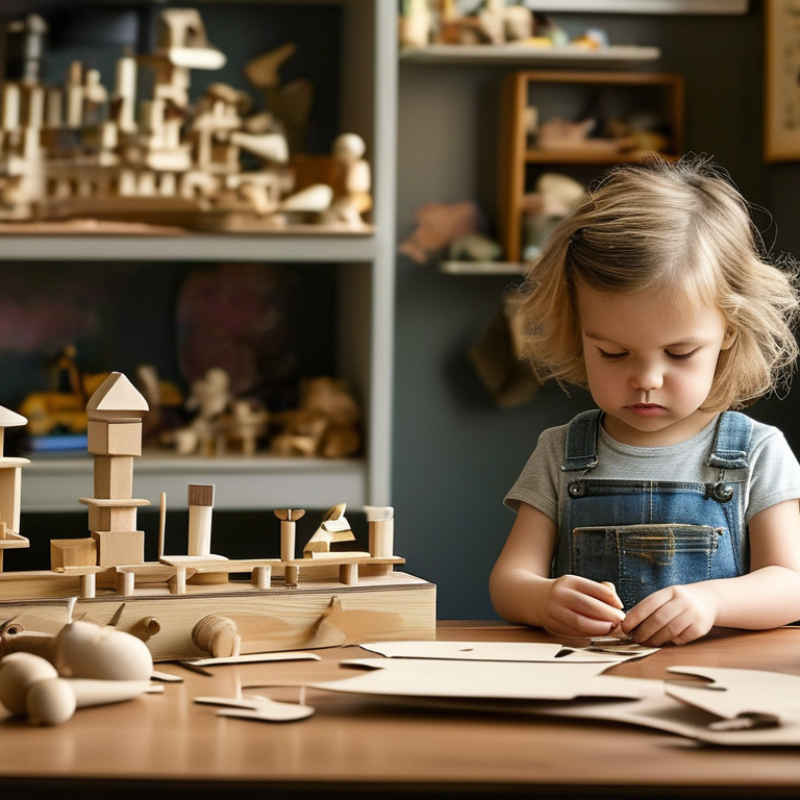
How Do DIY Craft Toys Enhance Child Development Benefits?

Understanding DIY Craft Toys: A Key to Child Development

DIY craft toys play a crucial role in child development. They foster creativity and problem-solving skills. Children learn to think independently. This autonomy boosts their confidence and self-esteem. As they engage in hands-on activities, they explore their imagination. They might create something unique, making the process rewarding.

While working on crafts, kids encounter challenges. They might struggle to follow instructions or get frustrated when things don’t turn out as planned. This is where resilience comes in. They learn to adapt and try again. This valuable lesson helps them face obstacles in life. Crafting also improves fine motor skills. Children cut, glue, and assemble materials, which refines their hand-eye coordination.

Parental involvement enhances the experience. Adults can guide, but it's important to let kids express their ideas. Too much direction can stifle creativity. Allowing space for self-expression is vital. It’s a balancing act. Reflecting on this can lead to better outcomes in their developmental journey. DIY craft toys are more than just fun; they are building blocks for future growth.

Cognitive Benefits: Enhancing Problem-Solving Skills Through Crafting

Crafting toys create a unique environment for children to develop their cognitive skills. Engaging in DIY projects encourages problem-solving as kids encounter various challenges. When they face these challenges, they must think critically and find solutions. For example, assembling parts of a toy requires planning and strategy, which sharpens their analytical thinking.

Children learn through trial and error. When something doesn't work as planned, they must re-evaluate their approach. This process fosters resilience. A child may struggle to fit pieces together but finds joy in overcoming these hurdles. Each success builds confidence, while failures teach valuable lessons. Crafting is not always perfect, and that's where the true learning happens.

Moreover, DIY craft toys promote creativity. Children are given the freedom to explore different possibilities. They can customize their creations, stimulating imaginative thinking. This mix of creativity and problem-solving can lead to innovative ideas. The combination of these elements is crucial for cognitive development, providing a robust foundation for future learning endeavors.

How Do DIY Craft Toys Enhance Child Development Benefits?

Child's Age Craft Type Cognitive Skill Enhanced Problem-Solving Skills Rating (1-5) Additional Benefits
3-5 years Painting Creativity, Color Recognition 4 Fine Motor Skills, Expression
6-8 years Model Building Spatial Awareness, Planning 5 Teamwork, Communication
9-12 years Sewing Problem Solving, Logical Thinking 5 Patience, Attention to Detail
13-15 years Woodworking Critical Thinking, Creativity 5 Resource Management, Innovation

Motor Skills Development: The Role of Hands-On Creativity in Learning

Engaging children in DIY craft toys plays a vital role in developing their motor skills. Reports indicate that approximately 90% of a child’s brain develops before age five. During this time, hands-on activities are crucial. Crafting encourages fine motor skills through actions like cutting, gluing, and assembling. These tasks improve hand-eye coordination and dexterity.

Tips for parents: Create a dedicated craft space at home. Ensure it's safe and stocked with age-appropriate materials. Simple items like paper, scissors, and glue can spark creativity. Encourage your child to express themselves freely. Allow them the chance to experiment without fear of imperfection. Flexibility in crafting fosters resilience.

Play also teaches problem-solving. Kids learn to overcome challenges when projects don’t go as planned. A study by the American Academy of Pediatrics suggests that open-ended play promotes critical thinking. Children who engage in creative activities demonstrate enhanced cognitive abilities. They become better thinkers and innovators in real life. Embracing creativity may lead to moments of frustration and uncertainty, but these experiences are valuable learning opportunities.

Emotional Growth: Building Confidence and Independence with DIY Crafts

DIY crafts play a unique role in enhancing emotional growth among children. Creating something from scratch provides children with a sense of achievement. This process fosters confidence. According to a report from the American Journal of Play, children engaged in creative play experience increased self-esteem. The act of building and seeing their work come to life encourages independence, as they learn to solve problems and make decisions on their own.

Moreover, DIY crafts can also lead to moments of frustration. Not every project goes as planned. This offers children valuable lessons in resilience. Learning to cope with mistakes is crucial for emotional development. A study published in the Journal of Occupational Therapy found that children who engage in creative activities are better at managing their emotions and facing challenges. These experiences teach them that it’s okay to stumble.

Through the practice of crafting, children express their thoughts and feelings. A simple project can become a canvas for their emotions. This expression is vital for their holistic development. Embracing imperfections allows children to develop a growth mindset. They learn that true confidence comes not only from success but also from understanding their limitations. This balance is essential in fostering well-rounded emotional growth in children.

Social Interaction: Fostering Collaboration and Communication Among Peers

DIY craft toys play a significant role in enhancing social interaction among children. Engaging in crafting activities requires children to collaborate and communicate effectively with their peers. A study published by the American Journal of Play notes that children who participate in group craft activities develop stronger teamwork skills. This aligns with findings from the National Association for the Education of Young Children, which states that play-based learning fosters critical social skills.

Collaboration is at the heart of DIY projects. Children learn to negotiate roles, share materials, and resolve conflicts. For instance, when creating a group project, a child may take the lead, while others contribute ideas. This environment nurtures active listening and encourages empathy. According to research from the Center for Creative Leadership, effective communication in childhood lays the groundwork for adult relationship management. Children who express themselves clearly in play often carry those skills into adulthood.

However, challenges can arise during group activities. Some children may struggle to voice their opinions, leading to frustration. Others may dominate conversations, preventing equal participation. These moments are crucial for reflection. Educators can step in to guide discussions, ensuring that every child's voice is heard. In this way, DIY crafts not only provide creative outlets but also serve as valuable lessons in social dynamics.

How DIY Craft Toys Enhance Child Development Benefits

FAQS

: Why are hands-on activities important for children?

: Hands-on activities promote early brain development. They enhance motor skills and encourage creativity.

How can parents create a crafting environment at home?

Set up a safe, dedicated craft space. Stock it with age-appropriate supplies like paper, scissors, and glue.

What benefits do children gain from crafting?

Crafting boosts fine motor skills, hand-eye coordination, and creativity. It encourages problem-solving and resilience.

How does crafting impact a child's emotional growth?

Creating builds self-esteem. It helps children feel proud and independent as they complete projects.

What challenges might children face while crafting?

Projects may not always go as planned, leading to frustration. These moments teach resilience and coping skills.

Can crafting help children express their feelings?

Yes, crafting allows children to convey their emotions. Projects can serve as an emotional outlet and reflection.

Why is flexibility important in crafting?

Flexibility encourages children to experiment freely. It helps them embrace imperfection and learn from mistakes.

What is the connection between creativity and cognitive abilities?

Engaging in creative activities enhances critical thinking skills. Children become better problem solvers in real life.

How does embracing imperfections benefit children?

Embracing imperfections fosters a growth mindset. Children learn that making mistakes is part of learning and success.

Conclusion

DIY craft toys play a significant role in enhancing child development by promoting various essential skills. Firstly, these toys encourage cognitive development, as children engage in problem-solving tasks while creating their projects, thus enhancing their critical thinking capabilities. Additionally, the hands-on nature of crafting helps improve motor skills, allowing children to develop coordination and dexterity through creative activities.

Furthermore, how do DIY craft toys support child development extends beyond physical and cognitive growth; they also foster emotional growth by building confidence and independence as children complete their crafts. Moreover, these toys promote social interaction, encouraging collaboration and communication among peers during group crafting sessions. Overall, DIY craft toys are valuable tools for holistic child development, addressing cognitive, motor, emotional, and social aspects effectively.

Sienna

Sienna

Sienna is a skilled marketing professional with a deep expertise in our company’s core products and services. With a passion for innovation and detail, she plays a pivotal role in crafting insightful blog posts that not only highlight the unique features of our offerings but also provide valuable......