How Are DIY Craft Toys Manufactured for Global Buyers?

Time:2026-08-28 Author:Aria
0%

The global market for DIY craft toys is expanding rapidly. Manufacturers employ various techniques to ensure creativity and safety. According to expert Jessica Hill, “Understanding how are DIY craft toys manufactured helps us meet both quality standards and customer expectations.”

The process begins with design. Skilled designers create concepts that spark imagination. Then, sourcing quality materials is crucial. Manufacturers often select non-toxic and eco-friendly options. This choice reflects a commitment to safety and environmental preservation.

Quality control is vital at every stage. Inspections ensure that toys meet international safety regulations. However, challenges remain. Different markets have varying regulations. Manufacturers must navigate these complexities. Balancing creativity with compliance is not easy but necessary for success. This industry continues to evolve, demanding constant adaptation and innovation.
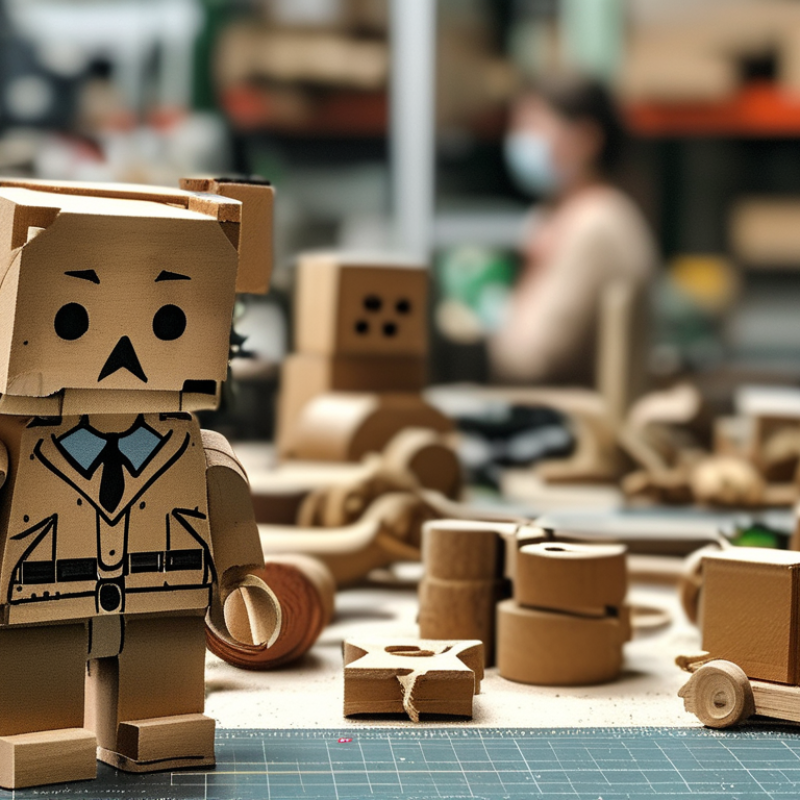
How Are DIY Craft Toys Manufactured for Global Buyers?

Manufacturing Process of DIY Craft Toys: An Overview

The manufacturing process of DIY craft toys involves several steps that ensure quality and creativity. It typically starts with design development, where prototypes are created. Designers often use computer-aided design (CAD) software to visualize ideas. This stage collaborates with engineers to ensure safety and durability standards are met.

Material selection is crucial. Many manufacturers prefer eco-friendly materials, as the global trend leans towards sustainability. According to a recent market report, 70% of consumers prioritize eco-friendly products. This aspect not only appeals to buyers but also aligns with regulatory standards in many regions. Production generally takes place in facilities equipped with modern machinery for precision cutting and assembly.

Quality control is another essential step. Each batch undergoes rigorous testing for safety, durability, and usability. While most toys meet major standards, inconsistencies can occur. Manufacturers are constantly refining processes to minimize these flaws. Feedback from buyers plays an important role. It guides adjustments in both design and manufacturing practices, ensuring the product remains competitive.

Manufacturing Process of DIY Craft Toys

This chart illustrates the various stages involved in the manufacturing process of DIY craft toys and their respective contributions to the overall production timeline.

Raw Materials Sourcing: Trends in Sustainable and Eco-Friendly Options

The demand for DIY craft toys is significantly influenced by trends in sustainable and eco-friendly materials. In recent years, approximately 70% of consumers prefer products made from natural or recycled materials. This shift reflects a growing awareness of environmental impact. Manufacturers are adapting their sourcing strategies to include bamboo, cotton, and recycled plastics. These materials not only appeal to eco-conscious buyers but also meet regulatory standards for safety and sustainability.

Research by the Global Toy Industry Association indicates that 65% of toy manufacturers are investing in eco-friendly materials. This transition poses challenges, as sourcing sustainably can be more complex than traditional methods. Companies must navigate varying regulations and availability. However, many view these challenges as opportunities for innovation in product design and manufacturing processes.

The rise of biodegradable options presents both promise and difficulty. Some biodegradable materials may not withstand rigorous play conditions. Testing and quality assurance become crucial in ensuring durability while adhering to sustainability goals. Craft toy manufacturers must balance the integrity of play experience with environmental responsibilities. This ongoing journey toward sustainability often reveals areas for improvement and reflection within the industry.

Production Techniques: From Design Prototyping to Mass Production

The journey of DIY craft toys begins with design prototyping. Designers brainstorm ideas and create sketches that visualize their concepts. This initial phase allows for creativity to flow freely. Designers often use tools like 3D modeling software or hand-drawn sketches. Prototypes are essential. They help identify design flaws and assess functionality. A quick prototype can save time and money later.

Once the prototype is refined, the transition to mass production begins. This stage requires precision and efficiency. Different materials may be sourced to meet quality standards. Manufacturers often adopt various techniques, from injection molding to laser cutting. Each method has its pros and cons. For example, injection molding is efficient for large quantities but may require a hefty upfront investment. This process often requires meticulous quality checks to ensure consistency across batches.

Despite advancements, challenges remain. Some manufacturers grapple with supply chain issues. Others face difficulties in scaling production without compromising quality. These problems highlight the ongoing need for flexibility in production processes. Continuous feedback loops from consumers can bridge gaps and facilitate improvements. Manufacturers should engage with DIY enthusiasts. Insights from the end-users can drive innovation and lead to better product offerings.

How Are DIY Craft Toys Manufactured for Global Buyers?

Production Stage Technique Description Materials Used
Design Prototyping 3D Printing Creating a physical model from digital designs using additive manufacturing. PLA, ABS plastics
Material Sourcing Supplier Partnerships Collaborating with suppliers for sustainable and quality materials. Wood, Non-toxic paints, Organic fabrics
Mass Production Injection Molding High-volume production by injecting molten material into molds. Plastic, Silicone
Quality Control Automated Inspection Using cameras and sensors to ensure product quality and safety standards. N/A
Packaging Eco-friendly Packaging Utilizing sustainable materials for product packaging. Recycled paper, Biodegradable plastics

Global Market Insights: Major Consumers and Sales Statistics in 2022

The DIY craft toy market saw significant growth in 2022. Market research revealed that North America holds a prominent position, accounting for nearly 35% of global sales. The appeal lies in the creative engagement these toys provide. They foster critical thinking and enhance fine motor skills in children.

In Europe, the demand for eco-friendly craft toys has surged. Reports indicate an increase of 15% in sales of sustainable materials compared to previous years. Consumers are becoming more conscious of their choices. The UK and Germany lead this trend, as parents seek eco-conscious options for their kids. Nevertheless, the market faces challenges, such as fluctuating raw material costs. The impacts of global supply chain issues have also been notable.

Emerging markets in Asia pose both opportunities and risks. Countries like India and China show a growing interest in DIY craft toys. Despite this, local competition is fierce. The challenge remains balancing quality and affordability. While the industry expands, it must reflect on sustainability practices and consumer education. The landscape is evolving fast, yet it demands ongoing adaptation to shifts in preferences and economic conditions.

Quality Control Standards: Ensuring Safety and Compliance in Craft Toys

Quality control plays a crucial role in the manufacturing of DIY craft toys. As these toys reach a global audience, they must adhere to numerous safety standards. According to a recent industry report, 70% of parents prioritize safety when selecting toys for their children. This emphasizes the importance of robust quality control systems in production.

Manufacturers often use international standards, such as ASTM and EN71, to guide their quality assurance practices. These standards cover aspects like material safety and mechanical properties. Regular audits can help maintain compliance and ensure that products are free from harmful substances. Nevertheless, challenges persist. Some manufacturers struggle with consistency in quality checks, which can lead to defects.

To enhance safety, consider the following. Verify that the sourced materials are certified non-toxic. Conduct functional tests on finished products to detect any potential hazards. Regular staff training in safety protocols can help create a culture of quality. Fostering clear communication about safety standards among suppliers is also vital. Engaging in these practices can significantly improve compliance and consumer trust.

FAQS

: What materials are preferred by consumers for DIY craft toys?

: About 70% of consumers prefer natural or recycled materials for their craft toys.

Why do manufacturers invest in eco-friendly materials?

65% of manufacturers see eco-friendly materials as a way to meet consumer demand and regulatory standards.

What challenges arise from sourcing sustainable materials?

Sourcing sustainably can be complex due to varying regulations and availability of materials.

How important is quality control in craft toy manufacturing?

Quality control is crucial since about 70% of parents prioritize safety in toy selection.

What standards do manufacturers follow for quality assurance?

Manufacturers typically follow international standards like ASTM and EN71 for material safety.

How can manufacturers enhance safety in toy production?

They can verify non-toxic materials, conduct functional tests, and train staff on safety protocols.

What issues do manufacturers face with quality checks?

Some manufacturers struggle with maintaining consistency in quality checks, leading to potential defects.

Why is communication about safety standards important?

Clear communication fosters trust with suppliers and helps ensure compliance with safety regulations.

Can biodegradable materials be a good option?

Yes, but they may not withstand rigorous play, which raises concerns about durability.

What ongoing challenges does the industry face regarding sustainability?

The industry constantly reflects on areas for improvement as it seeks to balance play experience and environmental impact.

Conclusion

The article titled "How Are DIY Craft Toys Manufactured for Global Buyers?" provides a comprehensive overview of the various stages involved in the manufacturing process of DIY craft toys. It highlights the importance of sourcing raw materials with a focus on sustainable and eco-friendly options, reflecting the growing trend towards environmentally responsible production. The piece further elaborates on production techniques, detailing how the journey from design prototyping to mass production is essential for meeting global demand.

Additionally, the article offers insights into the global market for DIY craft toys, showcasing major consumer demographics and sales statistics from 2022. Quality control standards are also emphasized, ensuring that safety and compliance regulations are strictly followed in the production of craft toys. Overall, the article addresses how DIY craft toys are manufactured, emphasizing both innovative production methods and the necessity of adherence to safety standards in a competitive global market.

Aria

Aria

Aria is a dedicated marketing professional with a deep passion for innovative strategies and a keen understanding of our company's product offerings. With a wealth of experience in the industry, Aria excels at crafting engaging content that highlights the unique features and benefits of our......