How to Import DIY Craft Toys from China Safely

Time:2026-09-12 Author:Henry
0%

Importing craft toys from China can look simple on a supplier’s product page. The real work begins before payment. Buyers must verify materials, factory capabilities, product testing, packaging, and shipping documents. For this reason, learning how to import DIY craft toys from China requires more than comparing prices.

Joan Lawrence, Senior Vice President of Standards and Regulatory Affairs at The Toy Association, has stated, “Safety is the number one priority in the toy industry.” Her point should guide every sourcing decision. Ask whether paints are non-toxic, whether small parts create age-related risks, and whether the finished kit includes clear instructions. Request recent test reports, not blurred screenshots. Check that the report matches the exact product, factory, and material batch. Small details matter.

A practical process starts with a written specification. Include dimensions, components, colors, age grading, warning labels, and carton requirements. Then screen several suppliers through business records, factory videos, samples, and independent inspections. One sample is not enough. Colors may change. Glue may smell stronger in bulk production. That is where buyers often become overconfident.

I have seen sourcing advice treat compliance as a final document check. That approach is incomplete. Product safety must be reviewed before production, during assembly, and before shipment. Keep payment terms clear, use traceable logistics, and photograph the sealed cartons. No checklist is flawless. A careful importer still reviews assumptions, especially when a low quotation seems unusually attractive. This guide explains how to import DIY craft toys from China more safely, with practical checks for quality, documentation, communication, and risk control.
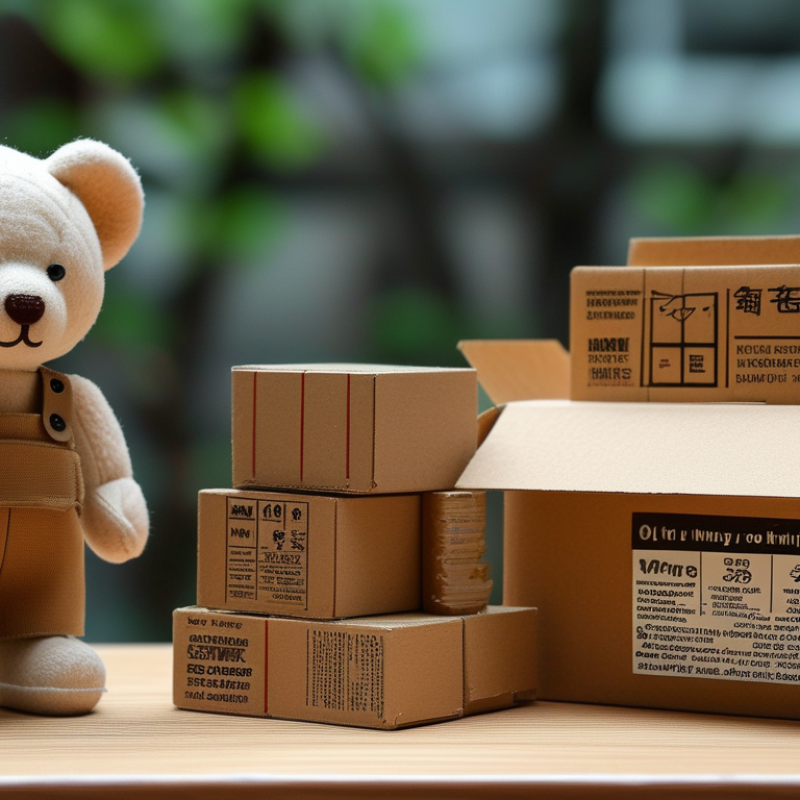
How to Import DIY Craft Toys from China Safely

Define Product Requirements and Import Goals

Define the product before contacting a Chinese supplier. Write the intended age range, learning objective, materials, dimensions, colors, and every kit component. Decide whether the toy is a cutting, painting, weaving, or assembly activity. Small parts need careful age grading and clear warnings. The Toy Association, citing Circana data, reported that global toy sales fell 7% in 2023, reaching about $108.7 billion. This signals a practical lesson: buyers should avoid vague products and prove their value.

Set an import goal with numbers. Record your target landed cost, first-order quantity, acceptable defect rate, delivery window, and expected retail price. Request material declarations, factory quality records, sample photos, and independent safety test reports relevant to the destination market. Confirm packaging dimensions before quoting freight. A compact box may reduce shipping costs significantly. I once underestimated inner packaging space; the final carton needed more volume than the product itself. That mistake was avoidable.

Tips: Prepare a one-page product specification sheet. Approve a sealed production sample, not only digital images. Test the activity with real children under suitable supervision. Check whether instructions are understandable without verbal help. The 2024 Deloitte Global Powers of Retailing analysis highlights continued pressure on consumer value, so calculate total costs honestly. Include tooling, inspections, freight, duties, testing, damaged units, and payment fees. Leave room for revision. Your first requirement list will probably be incomplete.

Verify Chinese Suppliers and DIY Toy Manufacturers

How to Import DIY Craft Toys from China Safely

Verifying Chinese suppliers is the most important step before importing DIY craft toys. I usually begin by checking the company’s registration details, production address, and export experience. A professional supplier should provide clear business documents without hesitation. Ask whether they are a manufacturer or a trading company. Both can work, but their responsibilities differ. Request recent factory photos and a live video tour. Look for organized workstations, labeled materials, and basic quality controls. A polished website proves very little. I learned that after trusting attractive product images once.

Ask for samples from the exact production line. Examine sharp edges, loose parts, paint quality, instructions, and packaging. For children’s toys, request current safety test reports from an independent laboratory. Confirm that the reports match the product, materials, and factory details. Do not accept reused documents. A factory audit can reveal crowded storage areas or inconsistent processes. These details matter. Put specifications, tolerances, inspection rights, and replacement terms into a written contract. Hire a third-party inspector before shipment, even when the supplier seems reliable.

Tips: Compare at least three manufacturers. Speak with the quality manager, not only the salesperson. Keep approval samples and dated photos. Use staged payments tied to inspections. Test one carton after delivery. Small mistakes can become expensive patterns. I still review my checklist after every order because no verification process is perfect.

Check Toy Safety Standards, Materials, and Certifications

When importing DIY craft toys from China, safety begins with the destination market.

Identify the required standard before requesting samples. In the United States, children’s toys may need testing against ASTM F963 and applicable CPSIA rules. In Europe, EN 71 requirements often apply, along with chemical restrictions. Requirements can differ by age group and product type. A bead kit is not assessed like a wooden construction set.

Inspect every material that children may touch or swallow. Ask for declarations covering lead, phthalates, heavy metals, and restricted dyes. Check whether paints are water-based, non-toxic, and suitable for the stated age. Examine cords, beads, magnets, scissors, and small attachments for choking risks, sharp edges, and breakage. Packaging should show accurate age guidance and warnings. Small details matter.

Request recent test reports from an independent, accredited laboratory. Match the report to the exact product, materials, factory, and production batch. A certificate with a similar product name is not enough. Visit or appoint an inspector to review incoming materials, assembly, labeling, and random samples. Keep invoices, test records, photos, and corrective-action notes. Paperwork can look complete while a formula has changed.

I have learned that checklists reduce risk, but they never replace physical inspection. Re-test after material changes, supplier changes, or unexplained color and odor differences. Safety work is repetitive, and sometimes the overlooked detail is the costly one.

Negotiate Contracts, Samples, Pricing, and Payment Terms

Importing DIY craft toys from China safely begins with a precise contract. UN Comtrade data for 2023 shows China supplied more than half of global exports in HS 9503, which creates many sourcing options. It also creates uneven quality. Write every detail into the agreement: materials, dimensions, color tolerance, packaging, inspection method, defect limits, and delivery dates. Attach approved sample photos and a signed physical sample. A sample is evidence, not decoration. Confirm that production materials match the sample, especially paint, glue, small parts, and magnetic components. Relevant ISO 8124 requirements should guide safety checks, but destination-market rules still require independent verification.

Pricing deserves careful comparison. Ask for a full cost breakdown, including tooling, packaging, testing, inland transport, and export charges. A very low quote may hide weaker materials or incomplete compliance work. The World Bank’s 2023 Logistics Performance Index gives China a logistics score of 3.7 out of 5, yet delays and documentation errors still happen. Build a realistic buffer. I sometimes underestimated rework costs; that mistake is expensive.

Tips: Use a staged payment plan. A small deposit can start production, while the balance follows a passed inspection. For larger orders, consider documentary payment terms or escrow through a regulated provider. Never pay a personal account. Check the legal company name, bank details, and invoice carefully. Require pre-shipment inspection, retain written change approvals, and keep all communication organized. Do not rely on promises made only in chat. A contract should explain remedies for late delivery, failed inspection, replacement, and refund procedures. Get local legal advice when the order value is substantial.

How to Import DIY Craft Toys from China Safely - Negotiate Contracts, Samples, Pricing, and Payment Terms

Import Stage Recommended Data Dimension Practical Benchmark Contract or Negotiation Action Verification Evidence Risk Level
Product Definition Target age, materials, dimensions, included components, packaging language Use one approved specification sheet for every quotation and sample List product tolerances, color references, component counts, warning labels, and packaging requirements in writing. Signed specification sheet, artwork file, component checklist, and dated product photographs Medium
Supplier Screening Business identity, export experience, product category, factory or trading capability Verify at least 3 potential suppliers before selecting a preferred source Request business registration details, production address, export history, and a clear contact responsible for quality issues. Registration documents, factory video or audit report, trade references, and consistent company information High
Toy Safety Compliance Destination-market testing, mechanical hazards, small parts, chemicals, labeling Complete compliance review before mass production, not after shipment State the destination market and require test reports for the exact product, material, age grade, and design version. Laboratory test report, technical file, material declarations, batch records, and packaging label approval High
Initial Sample Sample fee, sample lead time, shipping method, revision allowance Allow approximately 7–15 calendar days for a standard prototype, excluding complex tooling Confirm whether the sample fee is refundable against a later order and define who pays revision and courier costs. Commercial invoice, courier tracking, sample approval form, and revision history Medium
Pre-Production Sample Final materials, colors, artwork, assembly, packaging, and production method Approve one signed or digitally documented reference sample before production starts Make the approved pre-production sample the contractual quality reference and prohibit substitutions without written approval. Golden sample, approved artwork, packaging dieline, and dated approval record High
Pricing Structure Unit price, minimum order quantity, tooling, packaging, testing, inland delivery Request quotations at multiple quantity breaks, such as 500, 1,000, and 3,000 units Separate one-time charges from recurring unit costs and identify whether pricing includes export packaging and documentation. Itemized quotation, cost breakdown, tooling quotation, and validity period for the offer Medium
Minimum Order Quantity MOQ per design, color, packaging version, and shipment Negotiate a lower pilot quantity or mixed-color order for the first commercial shipment Specify the permitted quantity variance and clarify whether different designs can share a production run. Purchase order, production plan, carton count, and final packing list Medium
Payment Terms Deposit, balance timing, payment method, dispute protection A common structure is 30% deposit and 70% balance after inspection but before release Link the balance payment to inspection results, completed documents, and confirmation that goods match the approved sample. Signed contract, bank beneficiary verification, inspection report, commercial invoice, and packing list High
Quality Inspection Inspection timing, sampling plan, defect classification, corrective action Inspect after production is substantially complete and before final balance payment Define critical, major, and minor defects; require rework, replacement, or credit for failed results. Inspection checklist, quantity count, defect photographs, carton measurements, and corrective-action report High
Packaging and Labeling Unit packaging, carton strength, barcode, warnings, country-of-origin marking Confirm carton dimensions, gross weight, net weight, and units per carton before booking freight Approve packaging artwork and require the supplier to follow the agreed master-carton marks without unauthorized changes. Packaging approval, carton drop-test record where applicable, carton photos, and packing list Medium
Shipping Terms Incoterm, port or delivery location, freight responsibility, insurance, customs documents Compare at least two delivery options using the same product quantity and shipment date Write the agreed Incoterm and named place in the contract; avoid relying only on informal descriptions such as “door to door.” Sales contract, booking confirmation, commercial invoice, packing list, transport document, and insurance certificate if applicable Medium
Production Schedule Material readiness, production lead time, inspection date, dispatch date Allow contingency time of at least 7–14 days for revisions, inspection, or documentation delays Include milestone dates and a written process for handling late delivery, partial shipment, or material shortages. Production schedule, progress photographs, inspection booking, and dispatch confirmation Medium
Payment and Document Security Beneficiary name, bank-account changes, document consistency, payment authorization Verify any bank-detail change through an independent communication channel Do not send payment to a newly supplied account until the change has been confirmed with an authorized contact. Verified bank letter, signed contract, invoice matching the contract, and internal approval record High
Post-Shipment Claims Claim period, evidence required, remedy, replacement timing, liability limits Set a written claim window, commonly 7–30 days after delivery depending on the defect type Define acceptable remedies such as replacement, repair, refund, or credit and specify responsibility for return freight. Delivery record, inspection photographs, defect samples, batch number, and claim correspondence Medium

Arrange Quality Inspection, Customs Clearance, and Safe Delivery

How to Import DIY Craft Toys from China Safely

Arrange a quality inspection before the goods leave the factory. Ask inspectors to check materials, colors, sharp edges, small parts, and package labels. For children’s products, confirm age grading and required safety tests for the destination market. A sample may look excellent, while a full shipment reveals uneven paint or missing pieces. Use a written inspection checklist with photos and acceptable defect limits. Do not rely only on factory promises.

Tips: Request a pre-shipment inspection. Check ten cartons, not one. Keep sealed samples for comparison. If the failure rate seems unclear, pause the shipment and investigate. Cheap inspection can become expensive later.

Customs clearance needs accurate documents, including the commercial invoice, packing list, product description, and correct tariff classification. Confirm the importer’s responsibilities before placing the order. Customs rules differ by country, and a freight agent cannot replace your legal review. I would also confirm whether testing reports remain valid for the intended market. This step is easy to underestimate.

For safe delivery, choose strong cartons, moisture protection, and internal padding. Ask the supplier to photograph pallet loading before dispatch. Track the shipment through a reliable carrier and consider cargo insurance. Leave time for customs delays, especially before seasonal sales. My approach is not perfect; I sometimes allow too little time for document corrections. Building a buffer is wiser than promising an unrealistic delivery date. Feedback from the first shipment should improve the next inspection and packing plan.

FAQS

What safety rules should I check before importing DIY craft toys?

Identify the destination market’s toy standards before requesting samples. Requirements vary by age group and product type. A bead kit needs different checks than a wooden building set.

Which materials require special inspection?

Inspect every material children may touch or swallow. Check paint, glue, cords, beads, magnets, scissors, and small attachments. Ask for declarations covering lead, phthalates, heavy metals, and restricted dyes.

How can I reduce choking and injury risks?

Examine small parts for choking hazards. Check cords, sharp edges, magnets, and breakable pieces. Packaging should show accurate age guidance and clear warnings. Small details matter.

What should a valid test report include?

Request recent reports from an independent, accredited laboratory. Match each report to the exact product, materials, factory, and batch. A similar product name is not enough.

Should I inspect the factory or finished products?

Yes. Visit the factory or appoint an inspector. Review incoming materials, assembly, labeling, and random samples. Paperwork can look complete while a formula has changed.

When should the toys be tested again?

Re-test after material changes, supplier changes, or unusual color and odor differences. Safety work is repetitive. I once underestimated the importance of rechecking small changes.

What details belong in the purchase contract?

Specify materials, dimensions, color tolerance, packaging, defect limits, inspection methods, and delivery dates. Attach approved sample photos and a signed physical sample. A sample is evidence, not decoration.

How should I compare supplier prices?

Request a complete cost breakdown. Include tooling, packaging, testing, inland transport, and export charges. A very low quote may hide weaker materials or unfinished compliance work.

What payment protections are useful?

Use staged payments. Pay a small deposit first, then release the balance after a passed inspection. For larger orders, consider regulated escrow or documentary payment terms.

What records should I keep during the order?

Keep invoices, test reports, inspection photos, approvals, and corrective-action notes. Verify the legal company name and bank details. Never pay a personal account. Promises in chat are not enough.

Conclusion

Learning how to import DIY craft toys from China safely begins with clear product requirements and import goals. Define the toy types, target age group, materials, quantities, packaging, budget, and expected delivery schedule before contacting suppliers. Then verify Chinese suppliers and manufacturers by reviewing their production capabilities, experience, communication, business documentation, and willingness to provide samples. Comparing several suppliers can help you identify reliable partners and reduce unnecessary risks.

Before placing an order, check that the toys use safe, suitable materials and meet the safety standards and certification requirements of your destination market. Negotiate written contracts covering product specifications, sample approval, pricing, payment terms, lead times, packaging, and responsibility for defects. Finally, arrange independent quality inspections before shipment, prepare accurate customs documents, and select a dependable logistics provider. Careful planning, transparent communication, and shipment tracking will help ensure that DIY craft toys arrive safely, legally, and according to your expectations.

Henry

Henry

Henry is a dedicated marketing professional with a profound expertise in the company's offerings. With years of experience in the industry, he possesses an impressive understanding of the market dynamics and consumer behaviors that drive success. Henry is committed to sharing his insights through......