In today's digital age, finding ways to reduce screen time for children has become essential. Many parents are concerned about the impact of excessive screen use on their kids' health and development. Engaging in craft activities presents a delightful alternative. These hands-on projects can inspire creativity while also providing a break from screens.
Understanding how to reduce screen time with craft activities can make family time more fulfilling. From simple paper crafts to intricate DIY projects, these activities encourage imagination. Parents can bond with their children as they explore new skills together. Crafting can also foster focus and patience, qualities that screens often undermine.
Every family can find a craft that suits their interests. Not every craft will be a success, but therein lies the beauty of creativity. The process itself is often more valuable than the finished product. Crafting encourages reflection and personal expression, offering a balanced approach to screen time reduction.
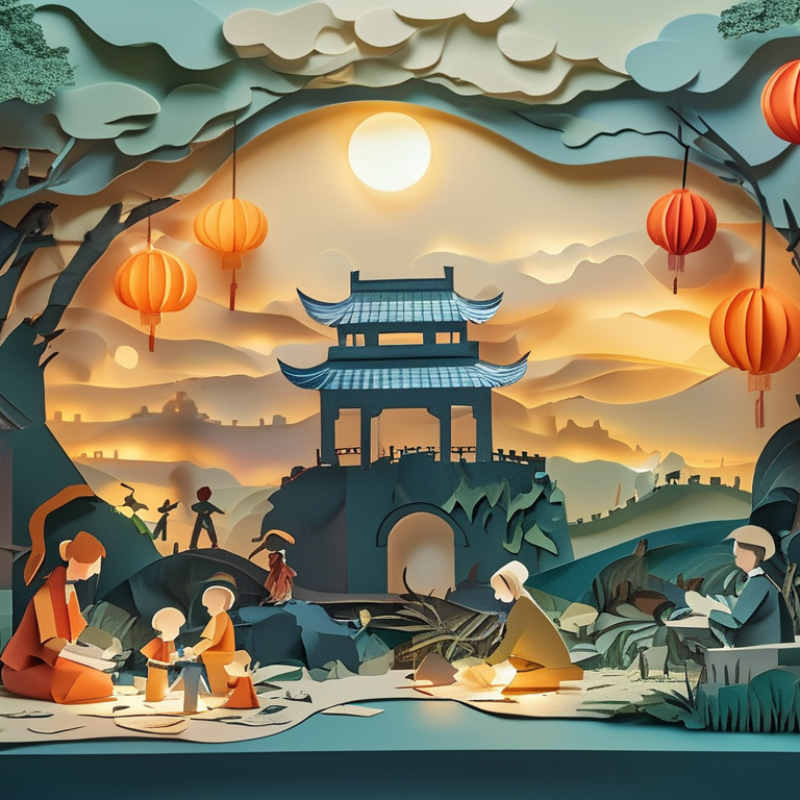
Traditional Chinese calligraphy is more than just an art form; it serves as a pathway to mindfulness. Engaging with the brush and ink encourages focus and presence. Research indicates that mindfulness practices can reduce anxiety by up to 60%. As individuals immerse themselves in calligraphy, they create an environment that fosters tranquility.
The repetitive motions of writing characters help in cultivating patience and discipline. Each stroke requires attention, and the beauty lies in imperfection. According to a survey by the National Center for Creative Aging, 80% of participants felt more relaxed after engaging in creative activities like calligraphy. These insights support the idea that calligraphy can also enhance overall well-being.
Moreover, traditional calligraphy offers a break from digital distractions. In a world where screen time impacts mental health, this ancient craft can provide a refreshing alternative. Not everyone finds mastery in the intricate characters, but the process is rewarding. There’s beauty in mistakes, which invites reflection and growth. Each attempt at creating art becomes a step towards deeper self-awareness. By embracing this practice, we not only reduce our screen time but also nurture our minds.
This chart showcases the popularity of different craft activities in China designed to reduce screen time, highlighting their effectiveness as mindfulness practices.
Chinese paper cutting is a vibrant and traditional craft that captivates many. It requires precision and patience, which can be challenging. The beauty lies in its simplicity. With just paper and scissors, anyone can create stunning designs.
To start, choose a square piece of paper. Fold it in half, then in half again. Draw a simple pattern along the edges. As you cut, be mindful not to rush. Mistakes are common, and each error can lead to unexpected shapes. This unpredictable nature adds a layer of charm to the final piece.
Exploring paper cutting allows for boundless creativity. Beginners may feel anxious about their work. But remember, art is not about perfection. The joy of creating something unique is worth the effort. Each design tells a story of culture and tradition, reflecting the rich heritage of Chinese art. Embrace the process, and let your creativity flow.
DIY Chinese Knotting is an engaging craft that can significantly enhance hand-eye coordination. This activity involves intricate knots that require both patience and precision. According to a study by the American Occupational Therapy Association, engaging in such crafts can improve fine motor skills and enhance cognitive functions in individuals, especially children. With a focus on dexterity, knotting can serve as a fun and educational alternative to screen time.
Incorporating Chinese Knotting into your routine can be beneficial. Use colorful threads to create unique designs, which not only makes the activity enjoyable but also stimulates creativity. A report from the National Institute of Health suggests that hands-on activities can reduce stress and improve focus. As participants tie knots, they may experience moments of frustration, but overcoming these challenges can boost confidence and resilience.
Tips: Try starting with simple knot patterns before advancing to more complex designs. This will help build foundational skills. Setting short time limits during the practice can also keep engagement high and reduce frustration. Lastly, consider sharing your creations with family or friends to foster a sense of achievement and community. Knots, while sometimes tricky, can become a meaningful way to connect with others while reducing screen time.
Building miniature terracotta warriors is a fun and educational craft activity. It enables children to learn about Chinese history while engaging their creativity. These tiny figures mimic the impressive army found near the tomb of China's first emperor. Crafting them can spark conversations about ancient civilizations. Families can create a mini-exhibition once completed, adding a touch of history to their home.
Gathering materials can be a simple yet fulfilling task. Clay is the primary component. Choose air-dry clay for convenience. Let kids mold the figures, encouraging personalization. Suggest making different poses or sizes to reflect individuality. This craft develops fine motor skills. It also promotes patience, as sculpting takes time and careful attention.
Tips: Use reference images of the terracotta army for inspiration. Discuss the historical significance of these warriors during the process. This can enhance the educational aspect of the activity. Remember, the goal is creativity, not perfection. Each piece will tell a different story. Celebrate each creation, even if it doesn't look exactly like the original. This fosters a love of learning, creativity, and a healthy break from screens.
Exploring Chinese brush painting is an enriching way to express creativity while reducing screen time. This traditional art form dates back thousands of years and is known for its elegant fluidity and expressive techniques. Various reports indicate that engaging in hands-on activities can enhance mental well-being and creativity, particularly among children who struggle with excessive screen use. A study from the National Endowment for the Arts suggests that artistic activities, like painting, improve cognitive skills and emotional intelligence.
To start with brush painting, you only need a few basic tools: a brush, ink, and rice paper. The key is to practice the brush strokes, which can be both relaxing and challenging. Beginners may find frustration in mastering the intricacies of this art form, but that is part of the learning process. Embracing imperfection can lead to unique artistic expressions. Taking the time to focus on each brush stroke can bring mindfulness and calmness.
Tips: Set a timer to limit your painting sessions, allowing for focused bursts of creativity. Experiment with different styles and techniques to find what resonates with you. Don't hesitate to make mistakes; they are part of your artistic journey. Remember, the goal is not perfection but self-expression.
| Activity | Description | Materials Needed | Duration | Skill Level |
|---|---|---|---|---|
| Chinese Brush Painting | A traditional art form focusing on nature and expressive brushstrokes. | Rice paper, Chinese brushes, ink, and a palette. | 1-3 hours | Beginner to Intermediate |
| Materials Preparation | Prepare ink and paper, set up a comfortable workspace. | Ink stick, grinding stone, water bowl. | 30 minutes | All Levels |
| Brush Techniques | Learn various brush strokes essential for painting. | Chinese brushes. | 1 hour | Beginner |
| Subject Matter Study | Study traditional subjects like flowers and landscapes. | Books or online resources on traditional subjects. | 1-2 hours | All Levels |
| Final Artwork Creation | Create a finishing piece incorporating learned techniques. | All previously mentioned materials. | 2-4 hours | Intermediate to Advanced |
: It serves as a pathway to mindfulness and encourages focus.
Research suggests it can reduce anxiety by up to 60% through fostering tranquility.
It helps develop patience and discipline through attention to each stroke.
Focus on creativity, not perfection. Each piece tells a different story.
They spark conversations about Chinese history and ancient civilizations.
You need a brush, ink, and rice paper to get started.
Yes, beginners often struggle with mastering the strokes. It’s part of the journey.
Experiment with styles and practice regularly, allowing for mistakes along the way.
Engaging in hands-on crafts can improve mental well-being and reduce screen-induced stress.
Embrace the beauty of imperfection and focus on personal growth and self-expression.
In today's digital age, finding ways to disconnect from screens while engaging in enriching activities is essential. "How to reduce screen time with craft activities" is conveniently addressed by incorporating traditional Chinese crafts that promote mindfulness, creativity, and education. Traditional Chinese calligraphy not only fosters focus but also serves as a meditative practice. Meanwhile, the intricate art of paper cutting enhances creativity and fine motor skills.
Additionally, DIY Chinese knotting helps improve hand-eye coordination, making it a practical choice for young learners. Building miniature terracotta warriors offers an educational twist, combining history with hands-on fun. Lastly, exploring Chinese brush painting allows for artistic expression, inviting individuals to unleash their creative potential. By engaging in these meaningful craft activities, one can effectively reduce screen time while nurturing various cognitive and artistic skills.

JKit Toys